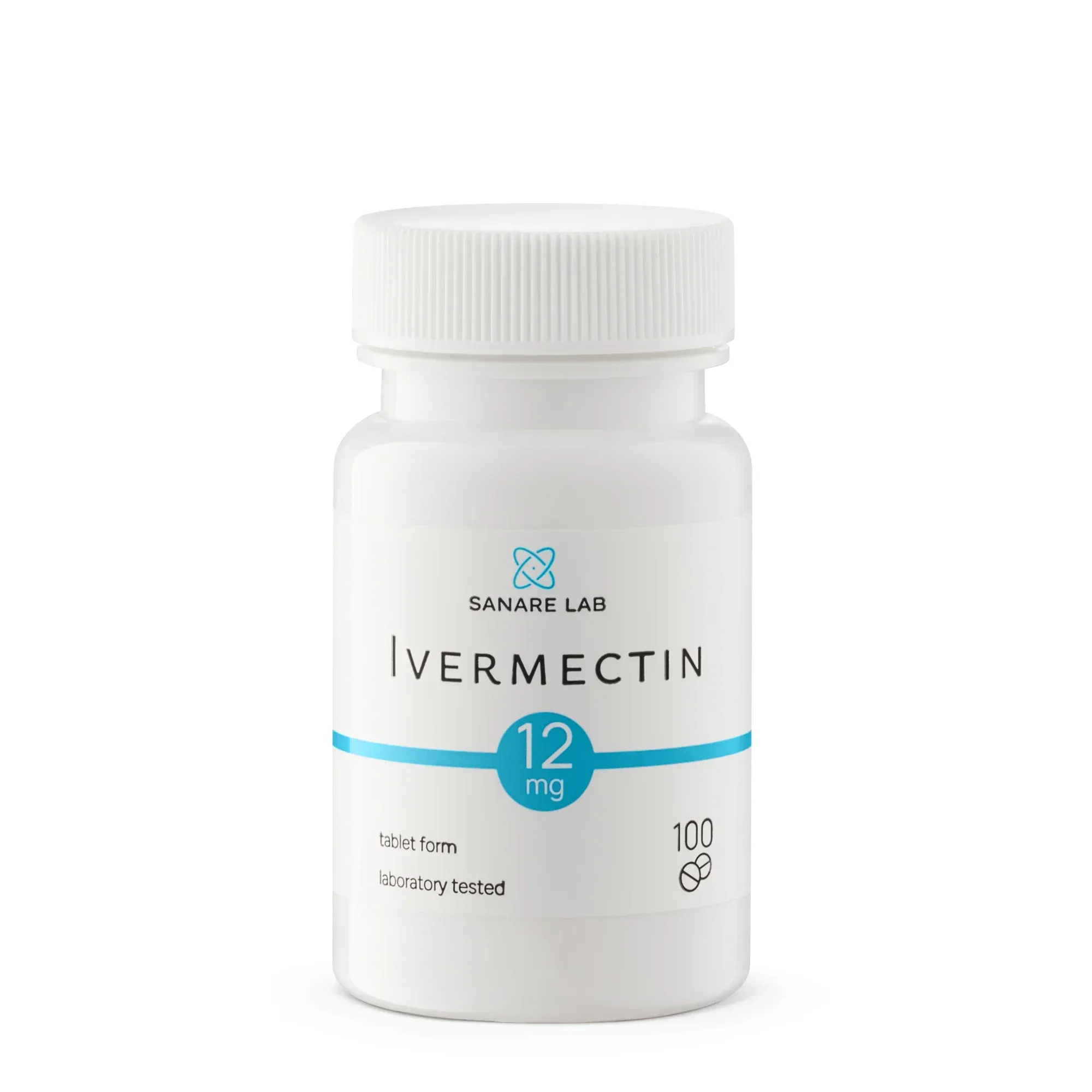
Ivermectin is one of the most thoroughly studied compounds in modern pharmacology — a Nobel Prize-winning molecule that has reshaped the understanding of antiparasitic biochemistry. This guide covers its history, mechanism of action, documented applications, dosage considerations, and safety profile for researchers and informed buyers.
A Brief History: From Soil Sample to Nobel Prize
The story of ivermectin begins in a Japanese golf course in the 1970s. Microbiologist Satoshi Ōmura collected soil samples and isolated a novel Streptomyces bacterium — Streptomyces avermitilis — that would change global health forever. Working with scientist William Campbell at Merck, Ōmura’s discovery was refined into a compound called avermectin, and its derivative, ivermectin, proved extraordinarily potent against a broad range of parasitic organisms.
In 2015, Ōmura and Campbell were awarded the Nobel Prize in Physiology or Medicine for this work, sharing the honour with Youyou Tu (discoverer of artemisinin). The Nobel Committee noted that ivermectin had “radically lowered the incidence of river blindness and lymphatic filariasis” and demonstrated “extraordinary” clinical benefit.
Since its introduction, over 4 billion doses have been distributed globally — a scale that underscores both its safety record and the depth of scientific research surrounding the molecule.
Chemical Profile & Mechanism of Action
What Type of Compound Is Ivermectin?
Ivermectin belongs to the avermectin class of macrocyclic lactones — naturally derived, semi-synthetic compounds with a complex 16-membered ring structure. Its molecular formula is C₄₈H₇₄O₁₄, and its molecular weight is approximately 875 g/mol. It exists as an approximately 80:20 mixture of two homologues: 22,23-dihydroavermectin B1a and B1b.
How Does It Work?
Ivermectin’s primary mechanism involves selective binding to glutamate-gated chloride ion channels (GluCl channels) — receptors that exist in invertebrate nerve and muscle cells but are absent in mammals. This binding causes an irreversible increase in chloride ion permeability, leading to hyperpolarisation of the cell membrane, paralysis, and death of susceptible organisms.
- Target selectivity: High affinity for invertebrate GluCl channels; low affinity for mammalian GABA-gated channels at standard doses
- Bioavailability: Well-absorbed orally; peak plasma concentration at approximately 4 hours
- Half-life: Approximately 18 hours in healthy adults
- Distribution: Widely distributed to tissues; crosses the blood–brain barrier minimally at recommended doses
Documented Uses and Research Applications
Antiparasitic Research (Primary Use)
Ivermectin has been extensively studied as an antiparasitic research compound. Its documented activity spans a wide range of organisms:
- Nematodes: Onchocerca volvulus (river blindness), Wuchereria bancrofti (lymphatic filariasis), strongyloidiasis
- Ectoparasites: Scabies (Sarcoptes scabiei), head lice (Pediculus humanus capitis), demodicosis
- Other helminths: Ascariasis, trichuriasis (in combination protocols)
Veterinary Research Compound
In veterinary science, ivermectin has been a reference compound for decades. Researchers study its use against heartworm, mange, gastrointestinal parasites in cattle, sheep, pigs, and horses. It is considered a foundation molecule in veterinary pharmacology courses and laboratory curricula.
Dosage Overview
Dosage in ivermectin research protocols is typically expressed in micrograms per kilogram of body weight (µg/kg) or milligrams per kilogram (mg/kg). The three most commonly studied dose formulations 12 mg, tablets. Each serves a different role in research contexts:
- 12 mg tablets: The most widely referenced dose in published literature; often cited as the standard adult reference dose in population-level studies
Safety Profile
Established Tolerability
Ivermectin’s safety record is extensively documented across decades of research. The WHO has included it on its List of Essential Medicines, and mass drug administration (MDA) programmes have distributed it to hundreds of millions of individuals with a well-characterised adverse event profile.
Common Adverse Events Reported in Literature
- Mazzotti reaction (in onchocerciasis studies) — fever, pruritus, oedema attributed to dying parasites rather than the compound itself
- Mild gastrointestinal symptoms (nausea, diarrhoea) at standard doses
- Transient dizziness or somnolence at higher dose ranges
Contraindications Noted in Research
Published literature consistently flags specific populations requiring careful consideration in study design: individuals with known hypersensitivity, those with compromised blood–brain barrier integrity (e.g., certain CNS conditions), and concurrent use with P-glycoprotein inhibitors or CYP3A4 substrates. Pregnancy and breast-feeding are standard exclusion criteria in most clinical research protocols.
Purity & Quality Considerations for Researchers
For any research application, compound purity is non-negotiable. Impurities in ivermectin samples can confound experimental results and introduce variables that compromise reproducibility. Researchers should look for:
- HPLC-verified purity of 99% or above
- Certificate of Analysis (COA) from an accredited third-party laboratory
- Clearly stated B1a/B1b ratio
- Proper pharmaceutical-grade tablet excipients
Learn more about what separates high-purity ivermectin from substandard alternatives in our guide on Ivermectin Purity & Quality: Why 99%+ Matters.
Summary
Ivermectin is a landmark molecule in pharmacological history — Nobel Prize-recognised, deeply studied, and supported by one of the largest bodies of safety and efficacy data in the field. Whether used as a reference standard, a laboratory compound, or a subject of ongoing scientific inquiry, understanding its chemistry, mechanism, and documented properties is essential for any serious researcher.
Sanare Lab supplies pharmaceutical-grade ivermectin tablets with 99%+ verified purity, backed by third-party COAs and free worldwide shipping. Browse our full range below.
Shop Ivermectin
Pharmaceutical-grade, 99%+ purity, third-party lab tested. Free US shipping.